

LONDON, England. In a bold new urban planning initiative, developers across Britain have perfected a revolutionary business model.
Step one: build expensive apartments next to a beloved music venue.
Step two: sell those apartments to people who apparently expect complete silence in one of the largest cities on Earth.
Step three: act surprised when the nightclub makes nightclub noises.
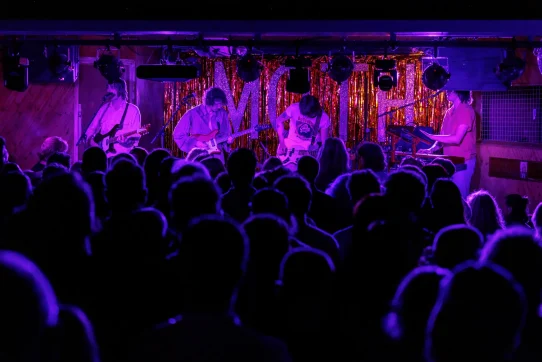
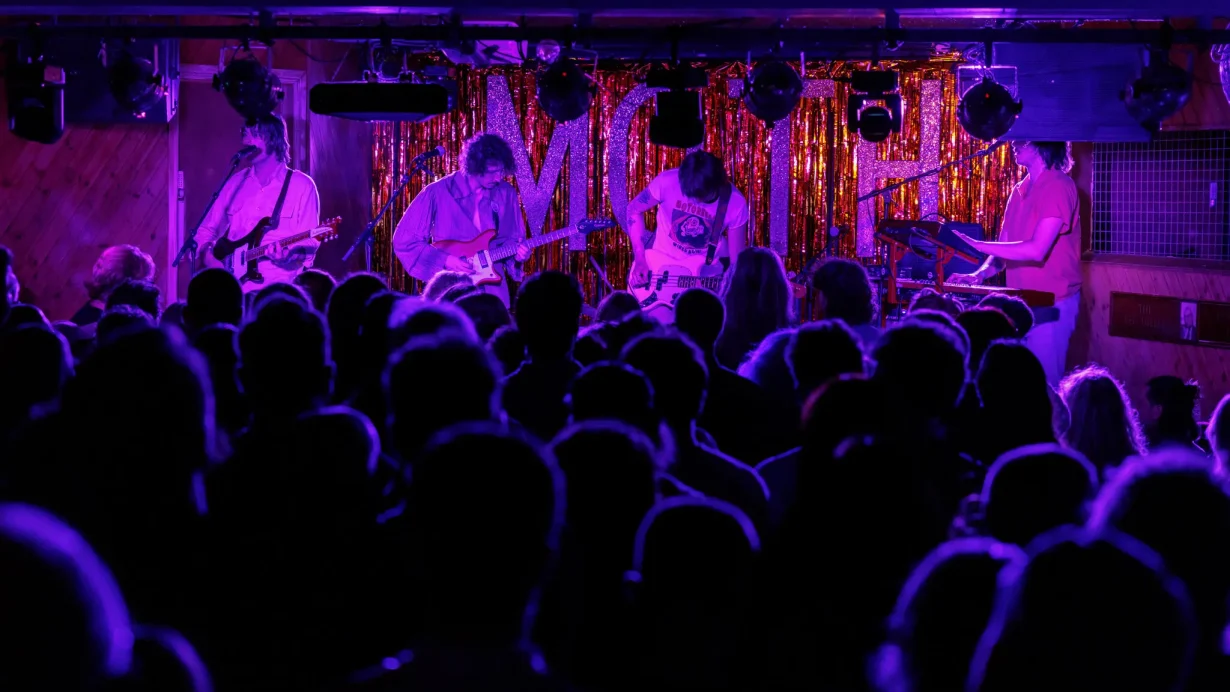
The latest victim of this centuries old tradition is the Moth Club in East London, a venue that has hosted everyone from rising indie bands to actual global stars. The club recently held a “Save the Moth Club” concert after learning that new apartment projects planned next door could threaten its future.
Club managers expressed concern that residents living directly beside a late night venue might eventually discover the existence of music.
Experts describe this outcome as “highly likely.”
“It keeps happening,” said one venue operator. “A music venue makes an area cool. People move there because it’s cool. Then they spend the next five years trying to remove everything that made it cool.”
Urban historians have confirmed this cycle has repeated approximately 47 billion times.
The debate has become so common that London’s Victoria and Albert Museum has opened an exhibition dedicated entirely to lost music venues. The exhibition features memorabilia from dozens of clubs that closed over the years due to rising rents, redevelopment projects, changing social habits, economic pressures, noise complaints, and humanity’s endless desire to destroy anything enjoyable.
Visitors can view artifacts from iconic venues while quietly realizing the same thing is happening all over again.
Museum curators described the process as “cyclical.”
Everyone else described it as “obvious.”
Meanwhile, independent venues face another challenge. Young people are going out less. When they do go out, they buy fewer drinks. When they buy fewer drinks, venues make less money. When venues make less money, developers arrive carrying blueprints and promises of luxury apartments with names like “The Residences at Formerly Fun Place.”
According to industry groups, more than half of Britain’s smaller venues failed to make a profit last year.
One venue owner summarized the situation with remarkable honesty.
“Every one of these buildings would make more money as a pizza restaurant.”
Analysts immediately noted that pizza restaurants themselves are now being replaced by luxury apartments.
The Moth Club launched a public campaign and collected tens of thousands of signatures from supporters, musicians, and people who enjoy experiencing joy after 8 p.m.
The effort appears to have worked, at least temporarily. One nearby development proposal has been rejected, although appeals remain ongoing.
Elsewhere in London, not every venue has been as fortunate.
Corsica Studios recently closed after more than two decades, citing the tidal wave of redevelopment transforming its neighborhood. Fans described the closure as heartbreaking.
Property investors described the closure as an exciting opportunity.
The city government has formed committees, task forces, panels, consultations, working groups, and other traditional methods of delaying action while appearing productive.
Officials are exploring ways to better protect nightlife.
Nightlife is exploring ways to survive long enough to see those protections arrive.
For now, London’s independent venues continue operating in a state best described as “technically alive.”
The clubs keep hosting concerts.
The developers keep building apartments.
The residents keep filing complaints.
And somewhere in Britain, another venue owner is probably installing additional soundproofing because one person moved next to a nightclub and was shocked to discover that people occasionally attend nightclubs.